7 Red Flags to Watch Out for When Choosing an NDIS Provider
Not every NDIS provider delivers the quality of support you deserve. Here are 7 red flags to watch for so you can choose a provider who truly has your best interests at heart.


November 20, 2026

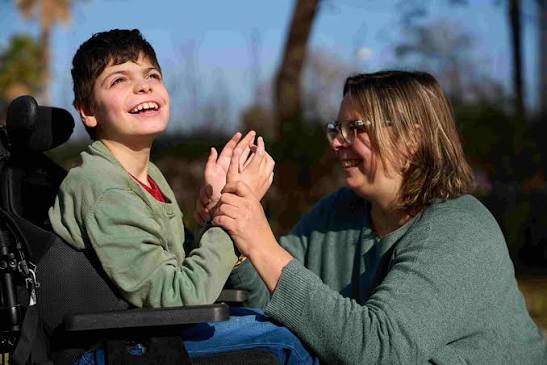
For many people in the disability sector, support work is far more than a job — it's a relationship built on trust, respect, and genuine connection. The bond between a support worker and a participant can make an enormous difference in someone's quality of life, wellbeing, and sense of independence.
Good support starts with trust. Participants need to feel safe, heard, and respected by the people supporting them. When that trust is present, participants are more likely to engage fully in their goals and feel comfortable expressing their needs and preferences.
Having the same familiar faces show up to support you builds a sense of stability and routine. Consistent support workers get to know a participant's personality, communication style, and preferences — leading to better, more personalised care.
Beyond day-to-day tasks, support workers often become advocates — helping participants navigate services, speak up in meetings, and access opportunities in their community. This advocacy role can be just as important as the practical, hands-on support provided.
The best support relationships focus on empowering participants to build skills and confidence, rather than doing everything for them. A great support worker knows when to step in and when to step back, always encouraging growth and autonomy.
Support workers often share in the ups and downs of a participant's life — celebrating milestones, offering comfort during difficult times, and providing companionship. These emotional connections are part of what makes the relationship meaningful for both people involved.
At IMA Support Services, we believe that the relationship between a support worker and a participant is at the heart of quality care. It's this connection — built on trust, respect, and genuine commitment — that transforms support work into something truly meaningful.
Written by

Not every NDIS provider delivers the quality of support you deserve. Here are 7 red flags to watch for so you can choose a provider who truly has your best interests at heart.
Real support isn't just about help with daily tasks — it's about building skills, confidence and independence. Discover how NDIS support can empower participants to grow.
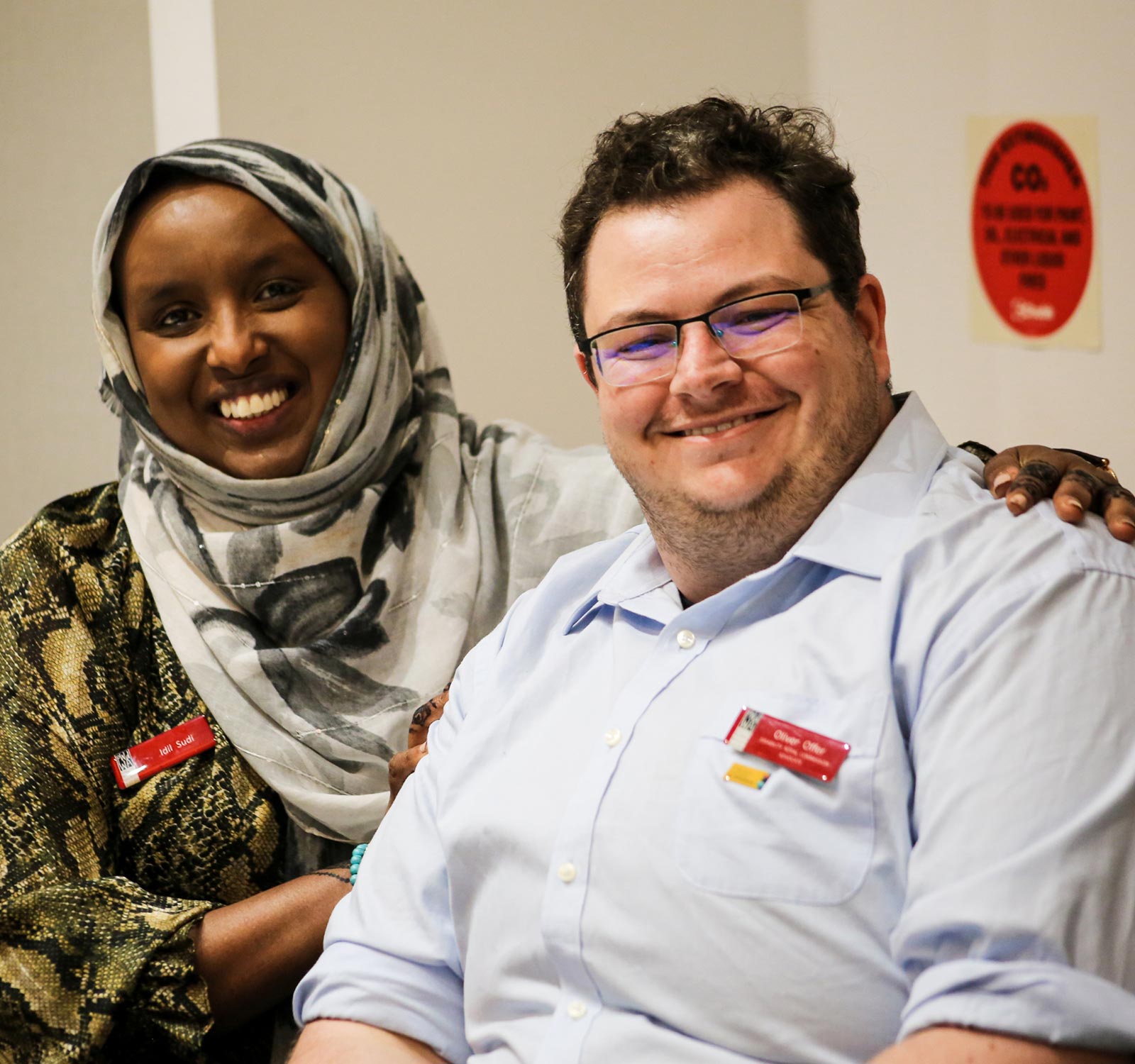
Staying socially connected is a key part of wellbeing. Learn how NDIS supports can help participants engage with their community, build friendships, and pursue the activities they love.


