7 Red Flags to Watch Out for When Choosing an NDIS Provider
Not every NDIS provider delivers the quality of support you deserve. Here are 7 red flags to watch for so you can choose a provider who truly has your best interests at heart.


One of the most powerful outcomes of good NDIS support isn't just help with day-to-day tasks — it's the confidence and independence participants gain along the way. The right support can open doors to new skills, new experiences, and a stronger sense of self.
Independence often begins with small, achievable goals. Whether it's learning to prepare a simple meal, catching public transport, or managing personal routines, these small wins build the confidence needed to take on bigger challenges.
A great support worker doesn't just complete tasks for a participant — they teach and encourage participants to do things for themselves wherever possible. This capacity-building approach is at the heart of what the NDIS aims to achieve.
Being given real choices — what to eat, how to spend the day, which activities to pursue — helps participants develop decision-making skills and a stronger sense of control over their own lives.
Support that encourages participation in community activities, social groups, or employment helps participants build social confidence and meaningful connections outside the home.
Every step toward independence deserves to be recognised. Celebrating progress, no matter how small, reinforces confidence and motivates participants to keep building new skills.
At IMA Support Services, we believe that true support means helping people grow in confidence and independence — not creating reliance. Every participant's journey looks different, and we're here to support it every step of the way.
Written by

Not every NDIS provider delivers the quality of support you deserve. Here are 7 red flags to watch for so you can choose a provider who truly has your best interests at heart.

Behind every great support plan is a genuine relationship. Discover why the bond between support workers and participants is one of the most important parts of quality disability care.
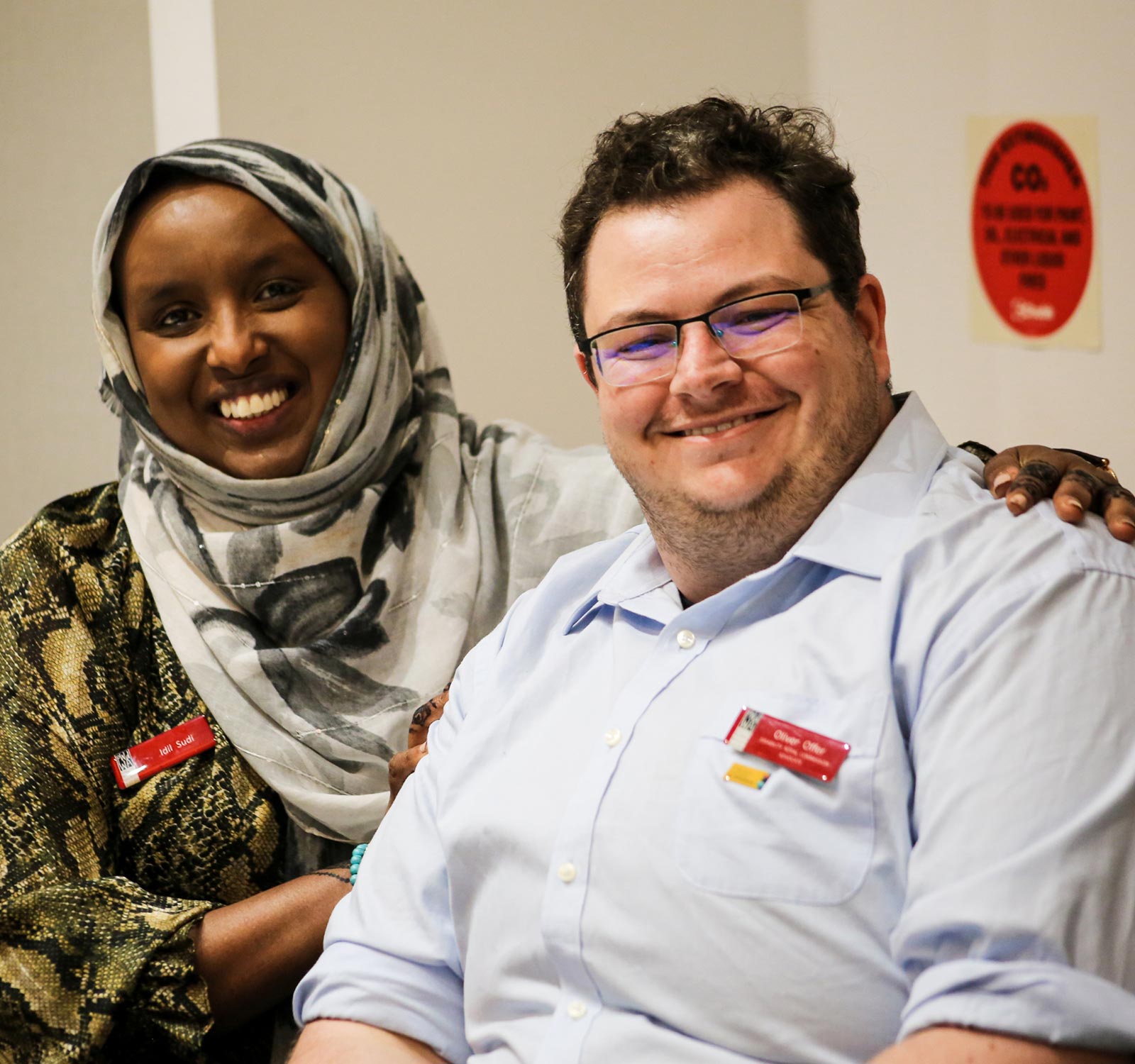
Staying socially connected is a key part of wellbeing. Learn how NDIS supports can help participants engage with their community, build friendships, and pursue the activities they love.


